Pudendal neuralgia is a chronic pain condition caused by irritation, compression, or injury of the pudendal nerve, the main nerve supplying the pelvic floor, perineum, and genital region. It can lead to burning, stabbing, or electric shock-like pain with sitting, bowel movements, sexual activity, or even light touch. For many people, this pain is life-changing and can affect work, relationships, and sleep.
Medications, nerve blocks, pelvic floor physical therapy, and surgery can help some patients, but others continue to struggle. Our clinic has introduced a new, non-invasive shockwave therapy protocol designed specifically for pudendal neuralgia as part of a comprehensive pelvic pain program.
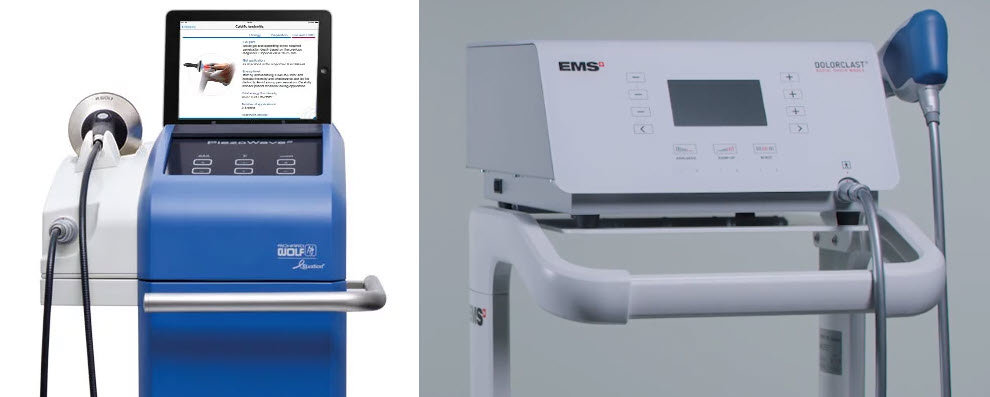
We use shockwave therapy units manufactured in Europe (one in Germany, one in Switzerland), where shockwave therapy has been refined for over 20 years. Though a state-of-the-art treatment option both here and there, it has been thoroughly practiced and is safe and effective for a wide range of conditions.
Dr. Attaman is a member of the American Society for Medical Shockwave Treatment.
You can contact our office in Bellevue, WA to discuss whether shockwave therapy is right for you. We see patients from across the US and Canada, as well as patients who fly in from afar for our unique medical care.
Whether you are a possible patient or even another clinician, the page below offers some detail on this unique treatment option for pudendal neuralgia.
⸻
What Is Shockwave Therapy?
Extracorporeal shockwave therapy (ESWT) uses focused acoustic (sound) waves delivered from a handpiece placed on the skin. The energy passes through soft tissue and is concentrated in a targeted region to stimulate healing and modulate pain signaling. ESWT has been used for decades in urology (kidney stones) and more recently in orthopedics and sports medicine for tendinopathies and chronic musculoskeletal pain.
In pelvic health, low-intensity shockwave has shown promise for:
• Chronic pelvic pain syndromes
• Erectile dysfunction and post-prostatectomy nerve injury (demonstrating nerve regeneration and angiogenesis in preclinical and clinical studies)
These same biological effects—improved microcirculation, reduced muscle and fascial tension, and possible support of peripheral nerve recovery—are highly relevant to pudendal neuralgia.
⸻
Why Shockwave Therapy for Pudendal Neuralgia?
Pudendal neuralgia often involves a mix of:
• Mechanical irritation or entrapment of the pudendal nerve
• Myofascial trigger points and tight pelvic floor muscles
• Local inflammation and microvascular changes
• Central sensitization (the nervous system becoming “over-protective”)
Low-intensity shockwave therapy can address several of these mechanisms at once:
1. Myofascial Release and Tissue Remodeling
Repetitive acoustic pulses can help disrupt myofascial adhesions and fibrotic tissue around the nerve and pelvic floor, similar to its effects in other chronic soft-tissue pain conditions.
2. Improved Blood Flow (Angiogenesis)
Shockwave has been shown to stimulate new microvessel formation and improve local circulation in other pelvic and neurovascular conditions, which may support nerve health and tissue recovery.
3. Neuromodulation of Pain
By altering local inflammatory mediators and nerve signaling, ESWT may reduce pain transmission along the pudendal nerve, similar to its analgesic effects in chronic pelvic pain and other neuropathic-like conditions.
Our protocol builds on these principles and adapts them to the specific anatomic course of the pudendal nerve and pelvic floor.
⸻
Key Benefits of Our Shockwave Protocol
1. Completely Non-Invasive
• No incisions
• No needles into the pudendal nerve
• No implanted devices or neuromodulation leads
A handpiece is applied to carefully mapped regions along the pudendal nerve pathway and related myofascial structures (e.g., obturator internus, levator ani, sacrospinous ligament area). Energy settings and treatment points are tailored to each patient’s anatomy and symptom map.
2. Fast: Around 20 Minutes per Session
• Typical treatment time is about 20 minutes per visit.
• Performed in an outpatient clinic room.
• Most patients can return to usual activities the same day, with the exception of avoiding very intense exercise or prolonged aggravating positions immediately afterward.
3. Designed as a Course, Not a One-Off
Although some patients report improvement after the first few sessions, shockwave works best as a series of treatments. In many musculoskeletal and pelvic pain studies, 4–8 weekly sessions are common, with pain reduction continuing in the weeks after completion as tissue remodeling progresses.
Our protocol typically involves a defined course (for example, weekly or bi-weekly treatments over several weeks), integrated with:
• Ongoing pelvic floor physical therapy (when appropriate)
• Medication optimization
• Ergonomic and posture guidance (e.g., sitting modifications, cushion use)
⸻
What a Typical Patient Experience Looks Like
1. Initial Evaluation
• Detailed history of pain pattern (sitting vs. standing, bowel/bladder/sexual function, triggers).
• Focused pelvic, neurologic, and musculoskeletal exam.
• Review of prior imaging, nerve blocks, physical therapy notes, and surgeries.
2. Treatment Planning
• Mapping of suspected entrapment sites and myofascial contributors.
• Confirmation that no red-flag conditions are present (e.g., active infection, coagulopathy, malignancy in the treatment field).
3. Shockwave Session (About 20 Minutes)
• Gel is applied to the skin over the targeted regions.
• The applicator is placed sequentially over specific treatment points along the pudendal nerve trajectory and key pelvic floor muscles.
• Patients typically describe the sensation as tapping, pulsing, or deep vibration. Energy levels are adjusted to remain tolerable while therapeutically effective.
• No anesthesia or sedation is usually required.
4. After the Session
• Mild soreness or warmth in the treated area can occur and usually settles within 24–48 hours.
• Patients are encouraged to continue their home exercises and activity modifications.
5. Tracking Results
• Standardized pain and function questionnaires (e.g., numeric pain scales, sitting tolerance, sexual function, bowel/bladder symptoms) are used at baseline and throughout treatment to quantify response.
⸻
Safety and Complications
Across multiple shockwave studies in pelvic pain, erectile dysfunction, and musculoskeletal disorders, serious adverse events are uncommon, and most reported side effects are mild and transient (local soreness, temporary increase in pain, small bruises, or skin redness).
For pudendal neuralgia specifically, formal large-scale clinical trials are still limited, and data on long-term outcomes and rare complications are evolving. However:
• Low-intensity ESWT is considered a low-risk, non-invasive modality compared with surgical decompression or implantable neuromodulation systems.
• In published pelvic shockwave protocols, there have been no consistent reports of serious nerve injury, incontinence, or permanent worsening directly attributable to properly performed ESWT.
In our clinic’s protocol, candidates are screened carefully for conditions where shockwave might be inappropriate (e.g., active malignancy in the target field, pregnancy in certain treatment zones, severe coagulopathy, implanted electronic devices in or near the treatment path), and treatments are delivered by clinicians with specific training in pelvic anatomy and pudendal nerve–related pain.
Because every medical procedure carries at least some risk, even if very small, decisions about care should always be individualized in discussion with a qualified clinician.
⸻
How Clinicians Might Integrate This into Care Pathways
For medical professionals, our protocol is typically considered in patients who:
• Meet established diagnostic criteria for pudendal neuralgia (e.g., Nantes criteria)
• Have persistent symptoms despite conservative measures such as medication, pelvic floor physical therapy, and ergonomic changes
• May or may not have had pudendal nerve blocks, neuromodulation trials, or surgery
Potential roles:
• As a bridge between conservative therapy and more invasive options
• As an adjunct to pelvic floor physiotherapy, especially in patients with pronounced myofascial involvement
• As a post-surgical or post-injection adjunct when residual neuropathic pain remains
Treatment parameters (energy flux density, pulse count, frequency, intervals) and precise anatomic targets can be shared and co-managed with referring clinicians to fit within broader multidisciplinary care.
There are two main types of shockwave therapy that may be used:
Focused shockwave therapy delivers concentrated energy to a small, specific area. This is useful for localized damage or very deep areas. We use a PiezoWave² shockwave unit, made in Germany by Richard Wolf and Elvation Medical GMBH.
Radial shockwave therapy spreads sound waves over a broader area with slightly lower peak energy. This approach is often used for conditions that affect a larger region, such as plantar fasciitis or widespread myofascial pain. We use a DolorClast® Radial Shock Wave unit, made in Switzerland by EMS Electro Medical Systems SA.
Our clinicians will determine which type of shockwave therapy – or whether a combination of both – is most appropriate for your case of pudendal neuralgia.
⸻
Who Might Benefit?
Patients with pudendal neuralgia who may be reasonable candidates for shockwave evaluation include those with:
• Burning, stabbing, or electric pain in the perineum, rectum, vulva, penis, or scrotum
• Pain that worsens with sitting and improves with standing or lying
• Associated pelvic floor tightness or trigger points
• Negative or inconclusive structural imaging, or persistent pain despite treatment of obvious structural causes
Patients with new, rapidly worsening neurologic symptoms (e.g., sudden loss of bowel or bladder control, profound leg weakness, saddle anesthesia) require urgent medical evaluation and are not appropriate for elective shockwave treatment until serious causes are ruled out.
⸻
Questions Patients Commonly Ask
Will shockwave cure my pudendal neuralgia?
Response to treatment varies. Many patients experience meaningful reductions in pain and improved function, while others may have partial or minimal benefit. It is best viewed as one tool within a comprehensive pelvic pain strategy rather than a guaranteed cure.
How many sessions will I need?
Most patients receive a planned series of sessions (for example, 4–8 treatments), with re-evaluation partway through. Some may benefit from booster sessions at longer intervals if symptoms begin to return.
Does it hurt?
Most people find the sensation tolerable. The intensity is adjusted to stay within your comfort range while remaining clinically effective.
Can I combine this with my current treatments?
In many cases, yes. Shockwave therapy is often combined with pelvic floor physical therapy, medications, nerve blocks, or psychological support approaches for chronic pain. Your care team will coordinate this.
⸻
Summary
• Pudendal neuralgia is a debilitating pelvic pain condition with limited non-invasive options.
• Low-intensity extracorporeal shockwave therapy is a non-invasive, outpatient treatment that typically takes about 20 minutes per session.
• Evidence from related pelvic and neurovascular conditions suggests that shockwave can reduce pain, improve blood flow, and support nerve recovery, with a favorable safety profile and rare serious complications when properly applied.
• Our clinic’s pudendal-specific shockwave protocol targets the anatomic course of the pudendal nerve and contributing myofascial structures, and is integrated into a broader multidisciplinary approach.
If you or your patients are living with pudendal neuralgia and would like to know whether this non-invasive shockwave protocol is appropriate, the next step is a focused consultation with a clinician experienced in pelvic pain and pudendal neuropathy.
About the Author: Phil Rozek